
What Happens to Wine Over Time: A Guide to Storing, Saving, and Knowing What's Worth Keeping

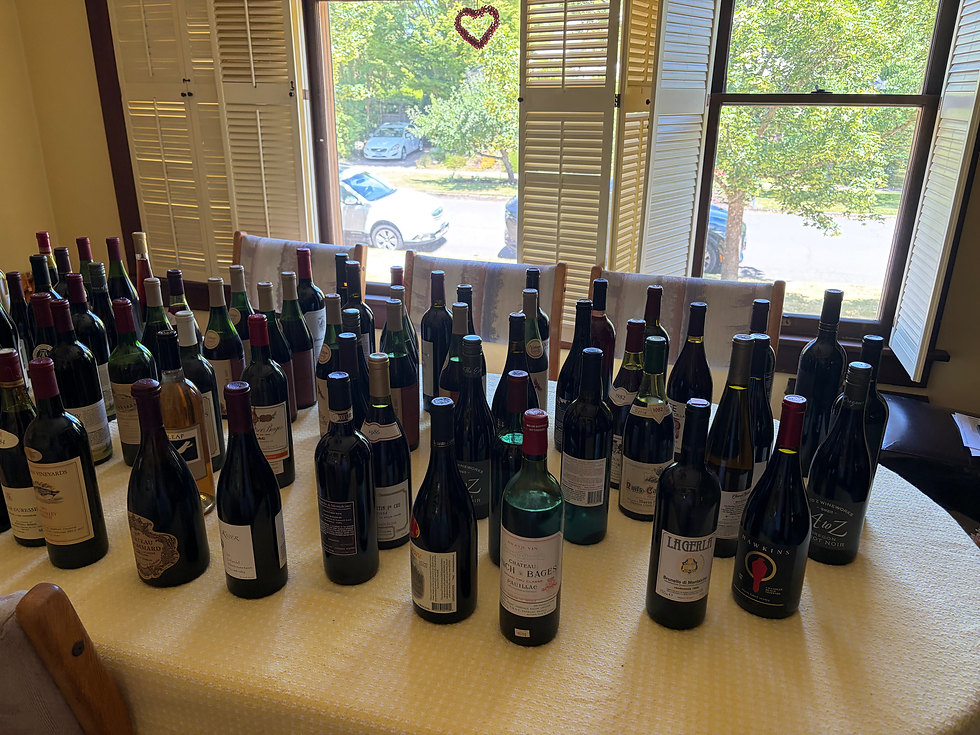
Not long ago, I was asked to sort through a wine collection that spanned more than 80 bottles and dated all the way back to the 1970s. It was a fascinating project — and a good reminder of how much most people don't know about what wine actually does (and doesn't do) over time.
Whether you've inherited a cellar, discovered forgotten bottles in a closet, or you're just wondering whether to hang onto that case you bought a few years ago, here's what you need to know.
Most Wine Has an Expiration Date
The biggest misconception I run into is the idea that wine just keeps getting better the longer you hold onto it. In reality, most wines are made to be enjoyed within a fairly short window, and holding them past that point means you're drinking something past its prime — or worse, something that's genuinely gone bad.
Here's a rough guide to how long different wines hold up under good storage conditions:
Rosé: 1–3 years
White wine: 3–5 years for most; high-quality whites like aged Riesling or white Burgundy can go longer
Pinot Noir: 10–20 years, but the longer end only applies to well-made bottles from quality producers
High-tannin reds like Cabernet Sauvignon: 50+ years under excellent conditions
Fortified wines like port and sherry are the exception — their higher alcohol content acts as a natural preservative and gives them significantly longer shelf lives.

Storage Conditions Matter More Than Most People Think
Even a wine that would otherwise age beautifully can be ruined by poor storage. Two of the biggest culprits are light and heat. UV light degrades wine over time, which is part of why good wine bottles are dark glass. Heat accelerates aging in unpredictable ways and can push a wine past its peak before its time. Ideal storage is cool, dark, and relatively stable in temperature — a proper wine cellar, a temperature-controlled wine fridge, or at minimum a dark interior closet away from appliances.
How to Assess an Older Bottle
When I sorted through that collection, the first thing I did was organize everything by age. That alone tells you a lot — a 1970s Chardonnay is certainly past its window, while a decade-old Cabernet from a good producer will likely be great.

From there, look for signs of damage:
Some things are normal. A small amount of wine evaporates through the cork over decades — this is called ullage, and a modest drop in fill level is expected. Corks can also shift very slightly over time without indicating a problem.

What you don't want to see: a large amount of missing wine, visible leakage or staining down the bottle, or a cork that is significantly sunken, bulging, or crumbling. Any of these suggest the seal has been compromised and the wine has likely spoiled.

If the bottle looks intact, hold it up to light and check the color. Wine that has turned will often look off — a red that's gone to vinegar may have a brownish, murky hue, and a white that's oxidized will look darker than expected. Some sediment is completely normal, especially in older reds, but floating chunks or cork debris throughout the bottle are not good signs.
Does It Have Value?
This is the question I got asked most during that collection project. The honest answer is: it depends. Age alone doesn't equal value. What matters is the combination of producer reputation, vintage quality, wine type, and storage history.
For a bottle that's close to the edge of its drinking window, the name on the label matters a lot. A well-regarded producer with a strong vintage has a much better chance of still being excellent — and potentially valuable — than an unknown label from the same year. When in doubt, a few minutes of research on the producer or a quick appraisal from a reputable wine shop can save you from either tossing something worth keeping or drinking something that should have been poured out years ago.

In Summary: Drink It
Wine is meant to be enjoyed. One of the saddest things I came across sorting through that collection was that about half of it was spoiled. Bottle after bottle had been carefully saved for a special occasion that never came — and now never would. Decades of anticipation, and the wine had long since passed its window.
Don't wait. Open the good bottle on a Tuesday. Share it with people you like. Life is the special occasion.
If you've been curious about exploring Oregon wine but aren't sure where to start, that's exactly what I'm here for. Through Willamette Valley Wine Country Tours, I take small groups to some of the most beautiful wineries in the valley — the hidden gems, the iconic producers, and everything in between. You'll taste exceptional wine, learn what you're actually drinking, and leave with a better sense of what you love. No occasion required.


Comments